Low MOQ / Smart
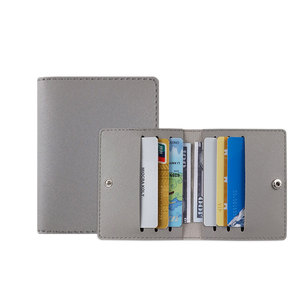
Explore our export-certified product lines designed for global retailers, procurement syndicates, and premier corporate gifting distributors.

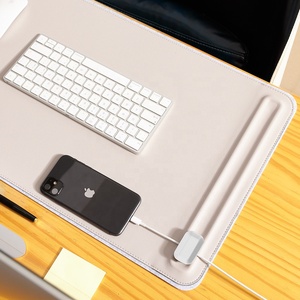
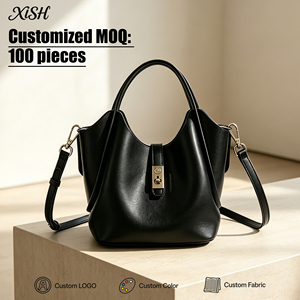
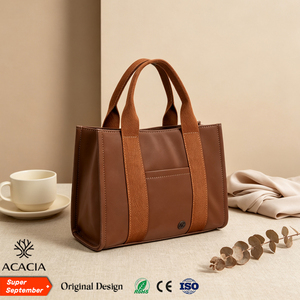
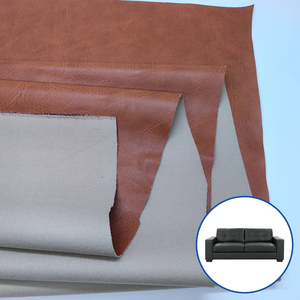
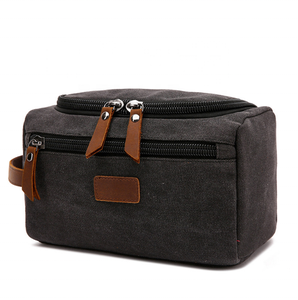
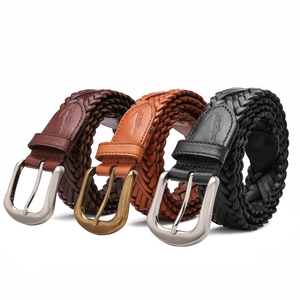
In the contemporary B2B retail and promotional merchandising ecosystems, custom leather keychains and integrated smart everyday carry (EDC) devices have evolved far beyond mere commoditized trinkets. Modern procurement managers, global luxury brands, and institutional purchasing agents recognize the leather keychain as a critical physical touchpoint of perceived brand equity. Whether functioning as an automotive VIP delivery token, an RFID-enabled access fob, or a companion accessory to high-end leather goods collections, precision in tactile feedback, tensile longevity, and edge-glaze finish is paramount.
This technical whitepaper deconstructs the multi-tiered manufacturing architecture required to reliably source bespoke leather keychains and micro-accessories from premier Chinese factories. Operating under rigorous international standards such as REACH (Registration, Evaluation, Authorisation and Restriction of Chemicals), CPSIA (Consumer Product Safety Improvement Act), and the Leather Working Group (LWG) protocol, tier-one manufacturers combine artisanal skiving with automated CNC hardware integration to solve legacy problems of hardware tarnishing, edge delamination, and dye migration.
The durability of a luxury leather keychain rests on three engineering pillars: the structural substrate, the stabilization interlining, and the electroplated hardware interface. Unlike bulk commodity key fobs that rely on synthetic polyurethane (PU) coated split leathers susceptible to hydrolysis within 18 months of moisture exposure, industrial-grade custom keychains utilize vegetable-tanned or chrome-tanned full-grain cowhide, skived to a precise gauge of 1.2mm to 1.6mm. To prevent mechanical stretch when weighted down with heavy key rings or smart auto remotes, high-tensile poly-cotton micro-canvas or non-woven Salpa (bonded leather fibers) is thermally laminated between the exterior hides.
Procurement teams must specify exact leather parameters on proforma documentation to ensure consistent product outcomes across recurring production cycles.
| Engineering Attribute | Standard Commercial Grade | Industrial OEM Specification | Luxury Retail & Automotive Standard |
|---|---|---|---|
| Substrate Material | Synthetic PU / Split Hide (0.8mm) | Top-Grain Cowhide (1.2mm) | Full-Grain Vegetable Tanned / Tuscan Calf (1.4–1.6mm) |
| Edge Finishing | Single-pass raw edge or basic burnish | Dual-coat water-based acrylic paint | Four-stage hand-sanded, primed, and heat-sealed Italian edge dye |
| Hardware Base & Finish | Die-cast Zinc Alloy (Flash Plating) | Solid Zinc Alloy with electrophoretic lacquer | Machined Marine-Grade Solid Brass or 304 Stainless Steel (PVD Coated) |
| Corrosion Resistance | < 12 Hours Salt Spray Test (ASTM B117) | 48 Hours Salt Spray Test (Neutral) | 96–120 Hours Salt Spray Test with zero blistering or oxidation |
| Tensile Pull Strength | 8 – 12 kgF (Rivet shear risk) | 18 – 25 kgF reinforced stitching | > 35 kgF (Hand-stitched backtack, saddlers copper rivet) |
| Branding Precision | Hot foil stamping (Fades under friction) | Deep debossing (0.5mm hydraulic press) | High-frequency 3D micro-injection or CNC micro-engraving |
The procurement landscape for small leather goods (SLG) is undergoing structural realignment driven by biometric integration, tightening carbon accountability frameworks, and omni-channel retail personalization. Forward-thinking sourcing directors must align their RFQ specifications with four overarching trends:
Commercial orders are rapidly shifting toward keychains featuring molded cavities tailored for Apple AirTags, Samsung SmartTags, and dual-frequency RFID access tokens, combining luxury leather craft with asset-tracking electronics.
EU Corporate Sustainability Due Diligence Directive (CSDDD) compliance is necessitating non-chrome, bio-based synthetic tanning agents derived from agricultural waste, coupled with solvent-free waterborne edge paints.
Physical Vapor Deposition (PVD) finishes in Gunmetal, Matte Obsidian, and Champagne Gold are displacing conventional electroplating, yielding military-spec abrasion resistance that preserves surface luster over five years of pocket friction.
A dependable leather keychain factory operates on lean, reproducible manufacturing standards. When importing from China, verifying how an OEM manages pattern nesting, leather skiving, and automated edge-coating eliminates over 95% of bulk quality defects.
Bulk production begins with hydraulic clicker presses or automated digital laser-cutting tables. Expert leather sorters examine whole cowhide hides to bypass natural scarring, tick marks, and loose flank fibers. Only the dense, uniform fiber network of the croupon (butt) and shoulder area is assigned to high-stress keychain bands and load-bearing loops.
The cut strips are fed through precision Fortuna bandknife splitting machines, achieving consistent thickness tolerances within ±0.05mm. The margins are bevel-skived down to 0.4mm, permitting clean edge folding or feathering when two layers are laminated together around structural interlinings.
Stitching parameters dictate long-term pull performance. Automated programmable sewing machines using bonded nylon or bonded polyester threads (e.g., Coats or Gütermann, Tex 70 to 90) deliver impeccable, uniform stitch density (usually 7 to 9 stitches per inch). For painted edges, factory lines utilize multi-head automated roller coaters followed by high-frequency infrared curing chambers, guaranteeing total bonding that resists temperature cracking from -25°C to 65°C.
Drawing on over thirty years of institutional manufacturing lineage dating back to 1995, our factory facilities fuse master bench craftsmanship with modern contract export efficiency. We solve the structural procurement hurdles encountered by international buyers:
Every shipment is backed by verified tannery certifications specifying hide type, split layer, and finish chemistry directly on proforma invoices.
Custom 3D CAD modeling within 24 hours, rapid 3D hardware prototyping, and physical leather samples dispatched in 5 to 7 working days.
Turnkey retail solutions including embossed magnetic presentation boxes, biodegradable dust bags, custom hang tags, and barcode/SKU compliance.
Complete export customs documentation, Certificate of Origin (CO), Form A, and end-to-end multimodal transport to US, European, and Middle Eastern hubs.
Below are authoritative responses addressing the core commercial, quality control, and testing questions posed by international supply chain managers:
For custom production utilizing catalog leather colors and stock hardware molds, our starting MOQ is 100 to 200 pieces per design. For fully bespoke hardware requiring dedicated zinc alloy injection molds or custom pantone-matched leather tanning, initial project MOQs generally range from 500 to 1,000 units to amortize specialized tooling costs.
Our hardware components utilize secondary electrophoretic lacquering or PVD vacuum titanium coatings over solid brass or high-purity zinc alloy bases. We subject every plating batch to 48-hour to 96-hour neutral salt spray tests (NSS) to verify zero surface pitting, peeling, or copper oxidation before assembly.
Blind debossing under heated hydraulic pressure (140°C–160°C) provides the greatest longevity as it reshapes the grain fibers permanently without applied pigments that can abrade. For multi-colored graphics, high-frequency micro-injection rubber badging, laser engraving, or UV cured screen inks with adhesion promoters are deployed.
Yes. We routinely manufacture key fobs integrating NTAG213/215/216 NFC microchips, 13.56MHz RFID cards, and Apple AirTag form factors. The internal antennas are insulated with anti-metal shielding ferrite foil to ensure seamless signal transmission when placed adjacent to automotive remotes or metallic keys.
Prototype approval takes 5 to 7 days. Standard mass production runs of 1,000 to 10,000 units are fulfilled in 18 to 25 calendar days. For recurring corporate contracts with pre-reserved leather reserves, rapid-batch fulfillment can be contracted within 12 business days.
We provide full documentation suites including material safety data sheets (MSDS), REACH Annex XVII compliance test reports (verifying nickel release, lead content, azo dyes, and phthalate levels), Leather Working Group (LWG) traceability statements, and standardized Certificates of Origin for tariff optimization.