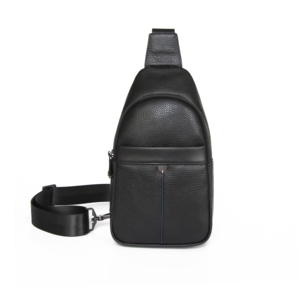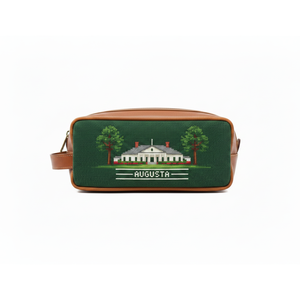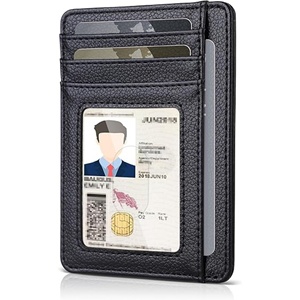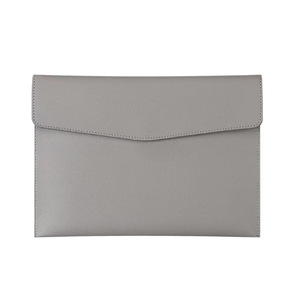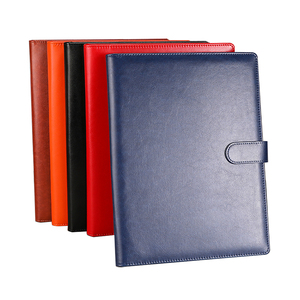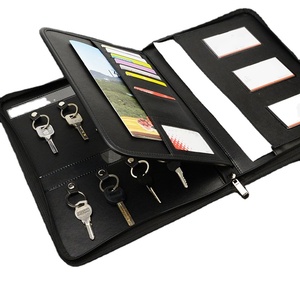
Review our specialized OEM sample development lines, engineered from full-grain bovine hides, vegetable-tanned shoulders, and water-repellent performance linings for global retail brands.
In contemporary international trade, sourcing high-grade leather garment bags has evolved beyond traditional aesthetics. For enterprise apparel brands, bespoke menswear tailors, luxury luggage labels, and corporate merchandising directors, selecting an OEM/ODM manufacturing partner demands an exhaustive technical audit of hide selection, structural architecture, tensile longevity, and mass manufacturing consistency. As established leather manufacturers operating from Sadar Bazar, Delhi since 1995, Naz Leather Export bridges traditional craftsmanship with industrial assembly protocols to meet stringent international standards.
Garment bags endure distinctive biomechanical stresses compared to conventional luggage. When fully packed with bespoke suiting, footwear, and travel accessories, a standard 42-inch or 45-inch trifold garment duffel concentrates downward gravity directly onto the top hanger clamp bracket, the dual trolley loops, and the transversal zip tracks. Sourcing teams must prioritize structural reinforcements such as internal nylon-reinforced webbing, 1.2mm–1.4mm drum-dyed full-grain bovine hide, and corrosion-resistant solid brass or electroplated zinc hardware. Without precise skiving tolerances and perimeter edge-coating, leather garment carriers suffer edge-splitting, stretch distortion, and premature zipper track separation during transatlantic transit.
Multi-layered gusset designs reinforced with riveted bar-tack stitching at hanger apexes. Engineered to sustain 25kg static hanging loads without panel deformation or seam tearing.
Breathable, anti-microbial sateen and 210D ripstop water-resistant linings. Protects pure wool suiting, silk lapels, and cashmere garments from tropical humidity and mold formation during maritime shipping.
Patented 2-in-1 folding mechanics that morph a full-length suit carrier into a 45L weekend duffle bag with dedicated side-loading shoe compartments and quick-access passport slots.
To ensure brand margins match target MSRPs without compromising brand prestige, corporate procurement departments must clearly define leather grades and chemical compliance on initial technical packs. Below is an engineering comparison matrix used by our OEM cutting department to evaluate leather substrates:
| Substrate Category | Grain Integrity & Thickness | Tensile Strength (N/cm²) | Optimal Brand Application | Compliance & Export Certification |
|---|---|---|---|---|
| Full-Grain Bovine Nappa | 1.2 – 1.4 mm uncorrected natural epidermis | > 220 N/cm² (ISO 3376) | Luxury Sartorial Flagship Garment Duffles | LWG Gold/Silver Certified, REACH, REACH Annex XVII |
| Vegetable-Tanned Cowhide | 1.4 – 1.8 mm organic bark tannin extraction | > 260 N/cm² (Heavy Load) | Heritage Vintage Luggage & Formal Wardrobe Carriers | Azo-Free, Chromium-Free, Biodegradable Standard |
| Top-Grain Corrected Leather | 1.0 – 1.2 mm lightly buffed with pigment finish | > 180 N/cm² (Medium Load) | Corporate Executive Travel & High-Volume Retail | ISO 17075-1 Chromium VI Tested, RoHS compliant |
| Hydro-Shield Nubuck / Waxed | 1.2 – 1.4 mm oil-pull-up water repellent finish | > 200 N/cm² (Outdoor Grade) | All-Weather Sports, Equestrian & Golf Garment Packs | SATRA TM23 Water Resistance Rating Passed |
| Semi-PU Microfiber Leather | 0.9 – 1.1 mm structural polyurethane matrix | > 140 N/cm² (Commercial Grade) | Budget-Conscious Corporate Gifting & High-Run Merchandising | Prop 65 Compliant, Heavy Metal Free, DMF-Free |
* Note: All hide materials utilized at Naz Leather Export undergo pre-tannery selection to ensure minimum scar counts, uniform fiber density, and cross-batch color fastness across seasonal production runs.
The luxury and executive travel accessory industry is experiencing structural changes driven by consumer mobility patterns, tighter international carbon border adjustment mechanisms (CBAM), and multi-modal transit habits. Sourcing directors responsible for travel collections must navigate several evolving procurement vectors:
1. The Ascendancy of Hybrid Convertible Duffles: The standalone flat garment bag is rapidly losing market share to the 3-dimensional rolling garment duffel. Executive travelers demand a single piece of luggage that fits overhead airline bin dimensions (typically 22 x 14 x 9 inches) while maintaining an unwrinkled interior chamber for two jackets and three shirts. This convergence requires OEM manufacturers to execute precision corner zipping architectures that prevent hide binding when curving through structural radii.
2. Stringent Chemical Transparency and Traceability: European Union regulations around deforestation-free supply chains (EUDR) and modern traceability protocols require leather manufacturers to track raw hides directly to verified agricultural origins. Importers now mandate tannery audits detailing chemical usage, biochemical oxygen demand (BOD) management in wastewater, and complete absence of restricted alkylphenol ethoxylates (APEOs).
3. Modular Internal Architecture & Tech-Integration: High-end leather garment bags now integrate discreet tracking tags (such as Apple AirTag leather pockets with RF-permeable windows), built-in power bank feedthroughs, and magnetic fidlock garment hanger attachments. Brands looking to capture market share are specifying modular internal compartments that can be removed via hidden YKK perimeter zips to adapt the bag for leisure travel.
Historically, leather bag fabrication depended purely on subjective handcraft. While artisan hand-burnishing and saddle-edge painting remain irreplaceable markers of luxury finish, Naz Leather Export incorporates modern industrial precision into volume OEM workflows:
Automated CAD Nesting and Oscillating CNC Leather Cutters: Natural leather hides contain localized variations in tensile elasticity, neck creases, and thickness. By digitizing pattern grading via optical hide-scanning software, our cutting technicians optimize yield up to 88% while ensuring high-stress garment bag panels are cut exclusively from the dense backbone and butt areas, avoiding weaker belly flanks.
Controlled Multi-Pass Edge Lacquering: One of the most common failure points in commercial leather garment bags is edge peeling along strap edges and zipper borders. Our factory employs automated edge beveling machines paired with three-stage primer, color-pigment, and matte-protective polymer coats, with infrared curing chambers between passes. This achieves flexible edge adhesion capable of surviving 50,000 flex cycles at -10°C to 50°C.
Zero-Tolerance Hardware Electroplating: Maritime air and baggage handling rapidly pit low-grade metal fittings. Our supply chains deploy die-cast solid brass or electro-coated zinc alloys subject to 48-hour neutral salt spray tests (ASTM B117), preventing tarnishing, zipper jamming, or oxidation transfers onto delicate fabrics.
30+ Years Direct OEM Experience
USA, UK, Germany, UAE, Australia
Hide, In-line & Pre-Shipment Audit
Agile Prototyping & Brand Scaling
Headquartered in Sadar Bazar, Delhi, with specialized fabrication units on Rani Jhansi Road, Naz Leather Export operates an integrated vertical manufacturing pipeline. From tech-pack conversion to international port customs clearance, every order adheres to a structured six-phase quality framework:
CAD dimensioning, tech-pack feasibility audit, hardware selection, and leather hide grade specification confirmed in writing.
Master pattern generation, prototype physical crafting, customer revision review, and golden sealed sample approval.
Raw hide batch inspection, precision splitting, CNC cutting, automated skiving, and structural canvas interlining reinforcement.
Multi-needle structural stitching, bonded nylon thread tensioning, edge-paint sealing, and hardware riveting.
3-Stage QC inspection, packaging in anti-humidity dust bags, export carton drop tests, and sea/air freight documentation.
As a fully GST-registered entity (GST: 07AGXPK0652P1ZN) with deep export roots dating back to 1995, we supply formal Certificates of Origin, commercial invoices, and packing documentation compliant with customs regimes in North America, Western Europe, and the Middle East. Whether managing seasonal capsule launches or high-volume recurring SKU supply, our direct factory-floor control eliminates middlemen margins.
Clear, transparent procurement terms are essential for smooth B2B transactions. Below are detailed answers to common inquiries from retail brand buyers, product developers, and corporate merchandise managers:
Our standard custom development MOQ begins at 50 to 100 units per style for bespoke genuine leather garment carriers. For curated catalog styles or orders utilizing our stocked tannery colorways, smaller introductory test orders can be negotiated to assist emerging brands during market launch phases.
Yes. Our in-house pattern masters work directly from PDF tech packs, CAD sketches, or physical reference samples. We produce full paper templates and initial counter-samples within 7 to 10 working days, confirming dimensional tolerances, pocket placements, and internal hanger fixtures prior to bulk production.
We primarily recommend 1.2mm–1.4mm drum-dyed full-grain bovine leather or top-grain semi-aniline cowhide. These provide optimal tensile strength-to-weight ratios, ensuring the empty bag weighs under 2.2kg while offering natural abrasion resistance, puncture integrity, and developing an attractive patina over extended travel use.
We exclusively utilize acid-free silica gel packs, protective tissue wrapping, and electro-passivated brass or zinc alloy zippers (YKK or custom-branded export grade). In ocean freight containers, all master cartons are poly-wrapped and palletized to block salty maritime humidity and ambient temperature fluctuations.
We provide precision blind debossing, metallic foil hot-stamping (gold, silver, matte charcoal), laser-engraved metal zipper pullers, woven jacquard interior labels, cast metal emblem badges, and personalized monogramming patches tailored to your brand identity guidelines.
We enforce a 3-stage QA protocol: (1) Pre-cutting hide inspection for surface blemishes and gauge variance; (2) In-line inspection during skiving, seam stitching, and edge painting; and (3) Post-assembly 100% inspection auditing zipper smoothness, seam tension, hanging balance, and packaging integrity. Third-party inspections (e.g., SGS, Intertek) are always welcome.
Sample turnaround takes 7 to 10 working days. Upon physical golden sample sign-off and advance payment deposit, full commercial production generally requires 25 to 35 working days, depending on batch volume, custom leather tanning cycles, and bespoke hardware tooling requirements.
Yes. Our partner tanneries operate in accordance with REACH (EU) regulations, California Proposition 65 standards, and LWG (Leather Working Group) certifications. All finished goods can be certified free of harmful azo dyes, pentachlorophenol (PCP), formaldehyde, and hexavalent chromium (Cr VI).
Standard commercial terms for initial OEM contracts are 50% T/T deposit with 50% payable upon pre-shipment inspection pass. Established repeat distributors can access Letter of Credit (L/C at sight) or open account terms. We routinely quote Ex-Works, FOB (Mundra / Nhava Sheva / Delhi Air Cargo), CIF, and DDP terms.
Yes. As demonstrated across our product line, we produce matching executive travel capsules, including leather dopp kits, RFID passport wallets, desk blotters, and document folios—cut from identical leather dye lots to ensure seamless color matching across your retail collection.
Connect directly with our senior leather artisans and export engineers in Delhi. Share your CAD drawings, tech packs, or target specifications for an accurate quotation and sample timeline within 24 hours.