Explore our benchmark production SKUs engineered for retail durability, brand customisation, and high-volume container freight delivery across global ports.
For multinational fashion conglomerates, independent luxury labels, and corporate catalog aggregators, contract manufacturing is no longer merely about low unit cost. Sourcing executives evaluate technical compliance, raw hide provenance, non-tariff trade resilience, and ethical labour governance.
The bedrock of premium leather manufacturing lies in wet-blue selection and tanning precision. Working out of Sadar Bazar, Delhi, with immediate proximity to certified tanning hubs across northern India, our operations tap into direct supplies of premium buffalo, sheep nappa, and full-grain cowhides. Each batch undergoes rigid chromium-fixation testing, moisture calibration, and grain tensile assessment before pattern slicing begins. This vertical insight removes the multi-layer intermediary markup and eliminates synthetic filler adulteration.
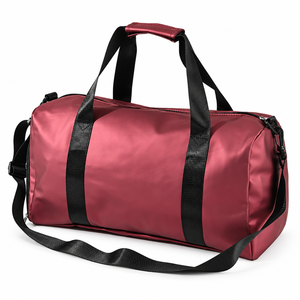
A wallet or duffle is only as resilient as its weakest edge and stress juncture. Our production lines combine German-engineered skiving machinery with traditional hand-burnishing and edge-coating chemistry. By regulating stitch-per-inch (SPI) ratios between 7 and 9 SPI on micro-accessories and deploying bonded nylon/polyester rot-proof filaments, our leather goods eliminate premature corner tearing, pocket delamination, and seam fatigue under accelerated cyclic testing.
Importing into high-liability jurisdictions (such as the US, UK, European Union, and Australasia) necessitates total compliance with chemical and ecological legislation. Our exports are strictly engineered to meet EU REACH Annex XVII standards, California Proposition 65 thresholds (free from banned phthalates, lead, cadmium), and azo-dye prohibitions. We generate full batch testing reports alongside mandatory Certificates of Origin, ensuring rapid single-window customs clearance at port of arrival.
Global luxury brands and omnichannel retailers are updating their standard operating procedures. Sourcing managers must align their 2025–2030 vendor pipelines with these five defining procurement shifts.
Incoming European trade directives mandate end-to-end provenance mapping. Forward-looking buyers require OEM factories capable of integrating discreet NFC microchips or encrypted QR tag heat-stamps within interior leather seams to provide verifiable tanning lineage and lifecycle transparency.
While chrome tanning remains dominant for supple soft bags, high-end private labels are shifting rapidly toward metal-free, heavy metal-free (aldehyde-free), and chestnut/mimosa-based vegetable tanning. This produces natural patinas, hypoallergenic handling, and significantly reduced effluent impact during wet processing.
The era of 10,000-piece single-color commitments is fading. Brands hedge inventory risk via flexible MOQ structures (100–250 units) paired with rapid rolling repeat capability (20-day delivery cycles). This allows merchandisers to test multiple colorways and silhouettes without locking capital into unsold stock.
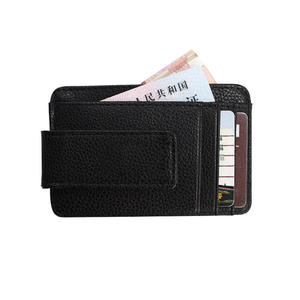
Everyday carry (EDC) items now require integrated utility. From high-permeability copper-nickel RFID linings blocking 13.56 MHz frequencies to hidden AirTag tracking compartments and neodymium magnetic money clips, modern private label wallets require both artisanal leatherwork and electrical shielding integration.
How advanced mechanical tooling, chemical formulation, and digital pattern engineering allow Naz Leather Export to maintain micron-level consistency across high-volume container orders.
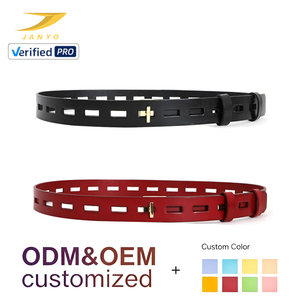
Traditional hand-clicking knives frequently cause a 1.0mm to 1.5mm variance across nested components. We deploy automated CAD-guided oscillating knife cutters and high-precision laser cutters for complex hollow filigree, belt perforations, and card slot bevels. This guarantees that multi-slot card dividers nest with zero skewing and eliminates edge bulging after final perimeter sewing.
Full-grain leather is naturally susceptible to rain spotting and surface color transfer. By applying micro-fine aqueous polyurethane emulsifiers and fluorocarbon-free hydrophobic fluoropolymer finishes, our leather goods achieve a Grade 4+ dry/wet crocking resistance (AATCC 8) and exceptional water-beading performance without suffocating the hide's natural breathability or tactile warmth.
Where substandard manufacturers use cheap recycled cardboard or pulp boards that buckle when damp, our workshop employs micro-cellular salpa, bonded microfiber membranes, and non-woven thermal stabilizers. These internal substrates preserve structural memory in bag bases, briefcase gussets, and belt cores across years of heavy daily use.
| Leather Classification | Grain Integrity | Tensile Strength (ISO 3376) | Water Vapor Permeability | Ideal B2B Product Applications | Aging Profile |
|---|---|---|---|---|---|
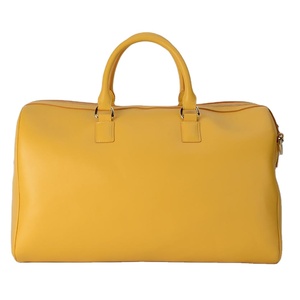
| Full-Grain Cowhide | 100% Unaltered outer epidermic layer | > 22.0 N/mm² (Superior) | High (> 2.5 mg/cm²·h) | Luxury Briefcases, Weekend Travel Duffles, Belts | Develops rich, distinctive patina |
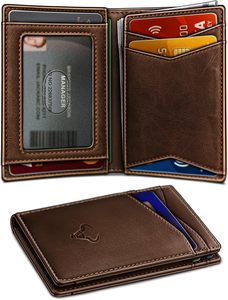
| Top-Grain Nappa | Lightly buffed, corrected uniform grain | > 18.5 N/mm² (High) | Moderate (> 1.8 mg/cm²·h) | Executive Bi-Fold Wallets, Women's Handbags | Maintains consistent color & texture |
| Crazy Horse Leather | Full-grain infused with heavy waxes/oils | > 24.0 N/mm² (Rugged) | Moderate (Self-healing surface) | Overnight Bags, Vintage Messenger Satchels | Rustic scratch-and-rub burnish effect |
| RFID Laminated Genuine Leather | Split-layer backed with metallic mesh | > 14.0 N/mm² (Standard) | Controlled (Barrier protected) | Minimalist Card Wallets, Passport Cases | High dimensional stability, functional |
| Technical Hybrid PU/Leather | Engineered micro-porous polymer surface | > 16.0 N/mm² (Elastic) | Waterproof barrier layer | Golf Holdalls, Sport Travel Luggage | Stain-resistant, easily wiped clean |
Founded in 1995 in Sadar Bazar, Delhi (GST: 07AGXPK0652P1ZN), Naz Leather Export has evolved from an artisanal workshop into an internationally recognized export entity supplying retail chains, boutique fashion brands, and private label importers across 50+ countries.
Our two-unit manufacturing infrastructure—anchored by our Sarai Khalil Sadar Bazar head facility and our modern specialized assembly branch at MM Road, Motiya Khan, Rani Jhansi Road—houses master craftsmen, pattern makers, and quality engineers. Every piece that leaves our floor is backed by written proforma invoice certifications confirming hide grade, weight thickness (oz/mm), and chemical compliance.
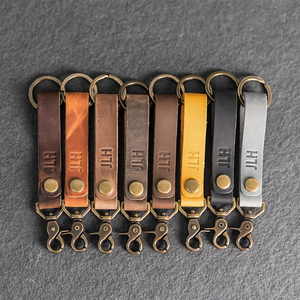
Whether you supply corporate gifting contracts requiring laser-engraved luxury key fobs, high-street retailers demanding 500-piece runs of RFID leather wallets, or premium outdoor brands ordering crazy horse weekender duffles, our operations ensure batch repeatability without deviation between golden sample and bulk delivery.



Clear, direct answers regarding minimum orders, custom tech packs, international certifications, tooling fees, and global freight arrangements.
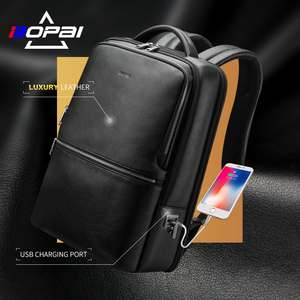
For custom OEM leather wallets, cardholders, and small accessories, our standard MOQ starts at 100 pieces per colorway/style. For larger structured items such as genuine leather backpacks, briefcases, and travel duffles, our factory accommodates runs starting from 50 pieces. Existing catalog items with readily available dyed hides can often be scheduled in pilot batches of 50 to 100 units to support initial retail market validation.
We provide comprehensive private label options including CNC-machined brass blind debossing, metallic foil stamping (gold, silver, rose gold), laser engraving, custom-cast zinc alloy or brass zipper pulls, woven lining badges, and customized luxury gift boxes. Tooling dies are produced from client-submitted vector files (.AI, .PDF) with proof approval within 48 to 72 hours.
Upon receiving a tech pack or reference sample along with material specifications, our pattern-making workshop builds functional prototypes within 7 to 10 business days. Sample costs are transparently quoted and routinely credited back against initial commercial bulk purchase orders upon sign-off.
To eliminate discrepancies between approved samples and bulk production, our proforma invoice explicitly itemizes the hide grade (Full-Grain, Top-Grain, Suede, or Corrected Grain), origin, hide thickness (e.g., 1.2mm - 1.4mm), and finish type. Clients are protected by our pre-shipment inspection protocols and third-party inspection agencies (SGS, Intertek, TÜV) are welcomed at our Delhi facilities.
Our RFID blocking wallets incorporate specialized certified copper-nickel shielding fabric laminated securely between the exterior leather and the interior lining. This composite barrier provides 99.9% attenuation against the 13.56 MHz RFID/NFC frequencies utilized by global EMV smart cards, passports, and identity documents, verified using RF field analyzers during final assembly.
Bulk production typically spans 20 to 35 working days following sample sign-off and deposit receipt. We support international Incoterms including FOB (Mundra, Nhava Sheva, or Delhi Air Cargo), CIF, and DDP (door-to-door delivery with customs cleared). Standard financial terms for international accounts are 50% deposit with the 50% balance payable against the Bill of Lading (B/L) copy or confirmed Letter of Credit (L/C).
Connect directly with our engineering and export desk in Delhi. Whether you require a comprehensive quotation for an upcoming retail collection, custom tech pack evaluation, or urgent sample prototyping, our team delivers precise commercial feedback within 24 hours.