Direct factory sourcing from Delhi, India to Port of Mombasa and Jomo Kenyatta International Airport (JKIA), Nairobi. Tailored for corporate, safari hospitality, and high-street retail programs.
Established in 1995 in Sadar Bazar, Delhi (GST 07AGXPK0652P1ZN), Naz Leather Export pairs three decades of master leathercraft with modern export standard operating procedures tailored for Kenyan procurement directors.
Kenya presents unique consumer and corporate procurement dynamics where premium aesthetics intersect with functional durability under East African climatic and transaction environments.
In Nairobi’s bustling commercial hubs—from Westlands to the Central Business District—daily transactions bridge Safaricom’s M-Pesa ecosystem, contactless Visa cards, and physical Kenya Shilling notes (KES 1,000 denominations). Our custom-engineered wallets feature slimline quick-pull card slots combined with reinforced full-length billfold dividers that accommodate pristine Kenyan bank notes without structural creasing.
Integrated military-grade 13.56 MHz RFID-blocking sheets prevent digital pickpocketing near crowded bus rapid transit stations, matatus, and dense shopping malls, providing tangible security assurance that drives consumer retail premiums.
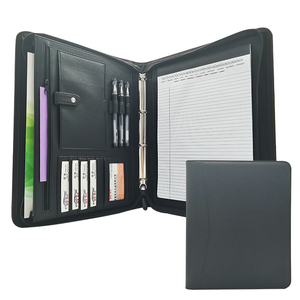
M-Pesa Architecture RFID Shielding KES Cash SlotsKenyan corporate buyers, multinational tech hubs along the "Silicon Savannah," and private equity houses in Upper Hill require executive prestige gifts. We manufacture bespoke genuine leather gift presentation boxes comprising an embossed vegetable-tanned bifold wallet, matching leather luggage tags, executive key fobs, and custom desk portfolios.
Precision laser debossing reproduces fine corporate heraldry, while heat-burnished folded edges guarantee that corporate swag remains a permanent fixture on C-suite executive desks, supporting high brand recall during shareholder meetings and client summits.
Upper Hill Executive Sets Foil & Blind Deboss Custom PackagingExclusive safari camps in the Maasai Mara, Samburu, and Laikipia, alongside beach resort boutiques in Diani and Watamu, require rugged elegance that ages gracefully under intense ultraviolet light and high humidity. We build wallets from vintage crazy-horse leather, pull-up waxy leathers, and full-grain cowhide that develop a rich, lustrous patina over time.
These goods endure dry savannah dust, safari vehicle wear, and maritime saline environments without delamination, making them coveted luxury mementos for international travellers and affluent domestic safari-goers.
Crazy Horse Leather UV & Humidity Resistance Patina RetentionSourcing genuine leather goods into Kenya requires navigating progressive shifts in trade policy, consumer expectations, and East African tariff harmonization.
Historically, lower-tier imports into Nairobi’s Gikomba or Kamukunji markets consisted of synthetic polyurethane (PU) or bonded leathers. However, rising middle-class disposable income and rapid consumer education have triggered severe wear-fatigue with faux leather peeling in Kenya’s variable climate.
Boutique retail brands and mid-tier retail chains (such as Two Rivers, The Hub Karen, and Sarit Centre outlets) now actively specify 100% genuine top-grain or full-grain leather, demanding lab-backed certificates of material authenticity to justify premium retail price tiers.
With the rollout of Kenya’s National Digital Identity initiatives (such as Maisha Namba) and omnipresent contactless cards, consumer pocket bulk has become a primary pain point. Bulky trifolds are ceding market volume to ultra-slim front-pocket bifolds, magnetic money-clip hybrids, and minimalist card cases.
Consumers demand wallet profiles under 12mm thickness when loaded with four cards and six cash bills. Factory skiving precision (reducing edge leather thickness to 0.5mm without sacrificing grain integrity) is an essential engineering criterion for contemporary Kenyan retail assortments.
Kenyan importers rarely service Kenya alone; Nairobi functions as the commercial distribution springboard for Uganda (Kampala), Rwanda (Kigali), and South Sudan (Juba). Under the East African Community (EAC) customs protocols, importing verified, quality-cleared leather goods into Nairobi enables swift re-export distribution across neighboring member states.
Importers seek reliable direct-manufacturer partnerships in Delhi that ensure repeatable bulk color-matching, standardized export cartons with moisture desiccant packs, and barcode-ready packaging for seamless regional cross-docking.
Sourcing with clear technical specifications minimizes import dispute risks and accelerates KEBS customs clearance at the Port of Mombasa and Nairobi Inland Container Depot (ICD).
| Specification Parameter | Standard Export Options | Kenyan Operational Implication | Naz Leather Export Standard |
|---|---|---|---|
| Leather Grade & Origin | Full-grain buffalo/cowhide, Top-grain chrome crust, Split leather | Withstands equatorial sun, dust, and long handling cycles without surface cracking. | 100% written declaration on Commercial Invoice & Proforma (Zero synthetic fillers). |
| Leather Thickness & Skiving | 0.7 mm – 1.1 mm (skived to 0.4 mm – 0.5 mm at card pockets) | Crucial for slim front-pocket carry without leather bulk deformation under body heat. | Precision CNC & Italian skiving machines ensure consistent micro-tolerances. |
| Thread & Stitch Integrity | Bonded Nylon / Polyester thread (Ticket 40 / 60) | High tensile strength prevents unraveling under friction with denim and canvas trousers. | Reinforced bar-tacking on card slot edges; 7–8 stitches per inch uniform tension. |
| Edge Finishing Method | Italian Edge Kote painted, folded/turned edges, raw vegetable burnished | Paint must not tackify or soften during hot Mombasa transits or rainy Nairobi dampness. | Multi-coat edge painting with inter-coat sanding and thermal seal curing. |
| RFID Protection Layer | Copper-nickel shielding fabric laminated under lining | Safeguards against contactless tapping fraud in transit hubs and public spaces. | Blocks 13.56 MHz signals; tested to attenuate contactless signal transmission by >99.9%. |
| Internal Lining Material | Twill cotton, 210D polyester, moiré silk, full-leather lining | Prevents friction damage to card strips and avoids interior lining tear under daily use. | High-density anti-tear woven linings laminated with non-toxic water-based adhesive. |
| Branding & Customization | Blind debossing, metallic foil stamping, metal badging, screen print | Executive corporate identity retention and high-street luxury presentation. | High-pressure CNC brass dies for deep, permanent imprint depth that never fades. |
Connecting Delhi's premier leather processing cluster with the East African trade corridor: verified reliability, export documentation discipline, and factory-direct cost benefits.
Every batch destined for Kenya passes our multi-tier inspection regimen. First, raw hides undergo grading for hide consistency, tensile strength, and grain uniformness prior to die-cutting. Second, during in-line production, stitching tension, RFID sheet alignment, and edge beveling are continuously monitored.
Finally, pre-shipment checks examine every piece under daylight lighting for dimensional accuracy, deboss clarity, and hardware action. Defective items are immediately replaced, ensuring zero-defect arrivals at Mombasa Port.
Importing into Kenya requires meticulous adherence to Kenya Revenue Authority (KRA) and Kenya Bureau of Standards (KEBS) import frameworks. We provide complete, export-compliant Commercial Invoices with correct HS Code assignments (HS 4202.31 for genuine leather wallets), Packing Lists detailing net/gross carton weights, and authentic Certificates of Origin.
We collaborate seamlessly with international inspection agencies (such as SGS, Bureau Veritas, or Intertek) to facilitate smooth Pre-Export Verification of Conformity (PVoC) certification before freight departure.
We understand the capital efficiency requirements of independent East African retail brands and corporate gifting agencies. While massive automated factories mandate 2,000-piece minimums per colorway, our Sadar Bazar and Motiya Khan production lines accommodate custom private-label runs starting at just 100 pieces for wallets.
Rapid physical prototyping in 5 to 7 business days allows your procurement team in Nairobi or Mombasa to touch, inspect, and approve exact leather samples before allocating full production budgets.
Clear, actionable answers addressing regulatory compliance, shipping logistics, payment mechanics, and material authenticity for Kenyan importers.
The Kenya Bureau of Standards (KEBS) mandates that manufactured imports must hold a Certificate of Conformity (CoC) issued under the Pre-Export Verification of Conformity (PVoC) program prior to shipment. Naz Leather Export coordinates directly with accredited inspection partners (SGS, Intertek, or Bureau Veritas in New Delhi) to submit material safety sheets, leather authenticity declarations, and laboratory testing reports. Having your CoC generated at origin prevents the standard 15% CIF penalty and demurrage delays at Mombasa Port or JKIA.
For express samples and urgent seasonal retail orders, air cargo via Indira Gandhi International Airport (DEL) to Jomo Kenyatta International Airport (NBO) takes approximately 3 to 5 business days using carriers like Kenya Airways or Emirates SkyCargo. For bulk volume shipments, ocean freight moves via inland container transit from Delhi to Nhava Sheva (JNPT) or Mundra Port, sailing directly across the Indian Ocean to the Port of Mombasa in 14 to 20 days. Shipments can then transfer to the Nairobi ICD via the Standard Gauge Railway (SGR).
Under the East African Community Common External Tariff (EAC CET), genuine leather wallets and travel leather accessories typically fall under HS Code 4202.31.00. Imports attract an Import Duty of 25%, standard Kenyan Value Added Tax (VAT) of 16%, the Import Declaration Fee (IDF) of 2.5%, and the Railway Development Levy (RDL) of 2.0% calculated on CIF value. Sourcing directly from our factory ensures low FOB base prices, significantly lowering your overall landing tax burden compared to buying through international trading intermediaries.
Yes. We specialize in comprehensive private label and OEM branding. We build custom CNC brass dies to execute blind debossing, gold/silver foil stamping, or micro-metal badge mounting on all wallet styles. Additionally, we produce branded rigid magnetic gift boxes, custom velvet or cotton dust bags, and printed barcode hangtags formatted with your local Kenyan retail SKU numbers and prices in KES, allowing products to go straight from customs clearance to your retail shelves.
Unlike non-specialized trading companies, we are a genuine leather workshop founded in 1995. We explicitly specify the leather classification—whether full-grain, top-grain, or vegetable-tanned cow/buffalo hide—in writing on the formal Proforma Invoice and final Commercial Invoice. We supply tannery certification and third-party lab cross-section tests confirming genuine animal grain structure, zero plastic film lamination, and compliant chemical processing under international REACH or chrome-tannage standards.
Standard commercial export orders are processed via international Telegraphic Transfer (TT / SWIFT wire) into our corporate bank account in Delhi. Initial orders typically operate on 50% advance upon proforma confirmation and 50% balance against inspection approval and presentation of Bill of Lading (B/L) or Airway Bill (AWB) documents. For established importers and government/institutional procurement programs, we accept irrevocable documentary Letters of Credit (L/C at sight) opened through leading Kenyan commercial banks such as KCB Bank, Equity Bank, or Standard Chartered Kenya.
Whether you are curating an exclusive high-street leather accessories line, outfitting a luxury safari camp boutique, or executing an executive corporate gifting campaign across Nairobi, our Delhi master leathercrafters deliver unmatched quality, rapid lead times, and reliable export compliance.
Contact Us