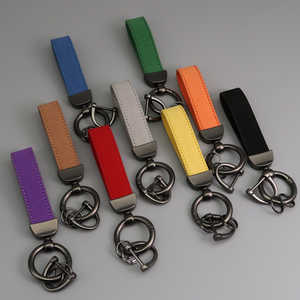
Explore custom leather and leatherette silhouettes meticulously developed for corporate branding, luxury promotional programs, and commercial leather goods distributors across North America.
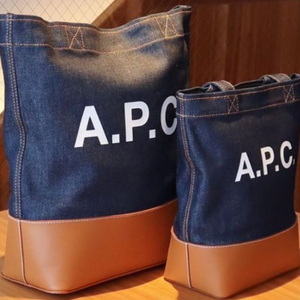

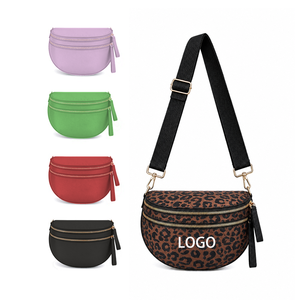
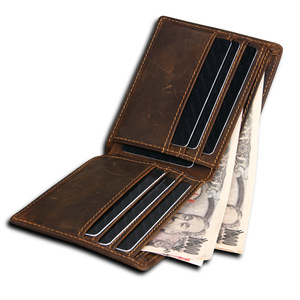
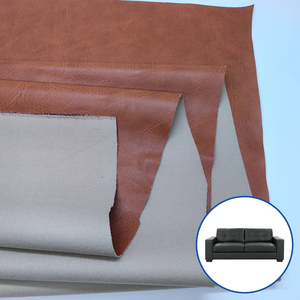
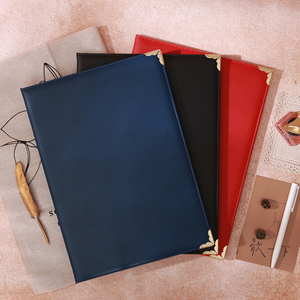
Understanding regional procurement mandates is critical for successful retail velocity. From Montreal's strict bilingual consumer packaging standards to Alberta's heavy-duty industrial workwear niches, our production lines adapt to regional consumer nuances.
Within Toronto's institutional core along Bay Street, corporate gift programmes and premium merchandising prioritize minimalist, RFID-shielded cardholders and executive bifold wallets. Corporate buyers demand deep blind embossing of institutional crests on pull-up crazy horse leather or semi-vegetable-tanned calfskin, combining slim ergonomic silhouettes with subtle sophistication.
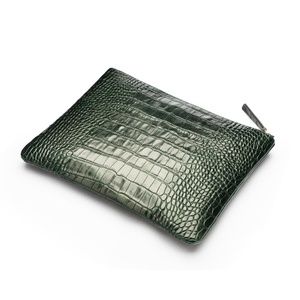
Quebec consumers possess distinct European-influenced design preferences, demanding alligator, crocodile, and textured pebbled finishes in muted earth tones. Imports destined for Montreal must meet Bill 96 and Consumer Packaging and Labelling Act standards. We provide fully compliant dual-language (French/English) heat-stamped interior labeling and branded retail packaging at zero friction.
In Calgary, Edmonton, and Vancouver, consumer lifestyle patterns favor heavy-gauge Crazy Horse oil-waxed leather and rugged finishes capable of developing a rich patina over time. These wallets require extreme mechanical resilience, reinforced edge stitching with high-denier polyester threads, and resistance to environmental moisture across dynamic West Coast and Prairie climates.
A technical assessment of changing regulatory requirements, material chemistry adaptations, and shifting functional requirements impacting Canadian leather goods procurement managers.
Standard PVC coatings and cheap bonding adhesives fracture when exposed to Canadian winter temperatures dipping to -30°C. Modern sourcing requires high-plasticity polyurethane coatings, specialized plasticizers, and flexible edge coats tested via ISO 17233 cold-crack specifications to prevent brittleness, delamination, and seam failure in Prairie transit and everyday consumer use.
With Canada ranking among the world's most aggressive adopters of contactless payments (Interac Flash, Visa payWave), raw leather wallets are vulnerable to skimming. Factory-direct engineering now embeds a multi-metal copper-nickel laminated shielding fabric between the outer hide and interior lining, certified to attenuate 13.56 MHz RFID/NFC frequencies by more than 60dB.
Canadian major chains enforce strict adherence to REACH Annex XVII, California Prop 65 equivalents, and the Canadian Environmental Protection Act (CEPA). Imported leather goods must verify non-detectable levels of Hexavalent Chromium (Cr VI), Azo dyes, and restricted phthalates. Naz Leather provides accredited laboratory documentation for direct CBSA customs clearance.
| Performance Parameter | Commercial Grade / Standard Offer | Naz Leather Export Benchmark | Impact on Canadian Importer |
|---|---|---|---|
| Low-Temperature Flex | Cracks at -5°C to -10°C | Certified to -25°C without surface rupture | Prevents winter customer returns in Ontario & Prairies |
| RFID Signal Attenuation | Unshielded or thin aluminum foil | Nickel-Copper coated woven Faraday lining (13.56 MHz) | Guarantees 100% contactless skimming fraud prevention |
| Edge Finishing Chemistry | Standard single-coat acrylic paint | 3-layer hand-burnished polymer with high elasticity | Eliminates cracking, peeling, and edge detachment |
| Stitching Tensile Integrity | Commercial single spun cotton thread | Bonded nylon 6,6 high-tensile thread with back-tack locking | Withstands maximum pocket friction and card overstuffing |
| Customs Documentation | Generic packing slip | Complete DDP dossier: HTS 4202.31/32, COO & dual-pack tags | Zero CBSA tariff border holds or misclassification penalties |
Real-world insights addressing tariffs, minimums, lead times, bilingual packaging, and custom mold engineering for North American supply chains.
Leather wallets typically fall under HTS Code 4202.31 (articles carried in pocket or handbag with outer surface of leather or composition leather), while PU/synthetic leather falls under 4202.32. Shipments originating from India qualify under General Preferential Tariff (GPT) or Most-Favoured-Nation (MFN) rates. Our export team provides exact HS classification, detailed packing lists, and certified Certificates of Origin to expedite customs entry at Canadian ports.
For custom private label leather wallets featuring your proprietary blind debossed or foil-stamped branding, our standard factory MOQ starts at just 100 units per style/colorway. For catalog silhouettes, our production lines accept trial batches of 200–500 pieces. This low entry threshold enables Canadian boutique labels, corporate promotional buyers, and Amazon FBA sellers to test new SKUs with minimal capital risk.
Yes. In full compliance with Canada's Consumer Packaging and Labelling Act and Quebec's Charter of the French Language (Bill 96), we design and produce custom interior woven labels, heat-stamped leather tags, care guides, and printed retail rigid boxes featuring accurate dual English and French descriptions, country of origin markings, and material authenticity declarations.
Physical pre-production prototypes with custom brass plate embossing are prepared and dispatched via DHL/FedEx within 7 to 10 business days. Upon physical sample sign-off and deposit, bulk production requires 20 to 35 working days depending on batch volume. Air cargo reaches Canadian hubs (YYZ, YVR, YUL) in 4–7 days, while ocean freight takes approximately 30–35 days to Vancouver or Montreal ports.
Transparency is foundational to our 30-year export reputation. We explicitly certify the leather substrate—whether Full-Grain Cowhide, Top-Grain Nappa, Oil-Wax Crazy Horse, or Technical Microfiber PU—on the initial Proforma Invoice and final Commercial Bill. Each shipment is backed by material inspection sheets and tannery lot certifications to ensure zero misleading consumer claims in North American retail.
Initial production runs typically follow standard international trade terms: 50% advance deposit to initiate hide allocation and tooling, with the 50% balance payable against the pre-shipment inspection pass and Bill of Lading copy. For established Canadian volume importers and retail distribution partners, we accommodate confirmed Irrevocable Letters of Credit (L/C at sight) or open account credit terms upon credit underwriting.
Initiate factory-direct negotiations. Our dedicated OEM export desk will review your tech pack, provide precise costing within 24 hours, and schedule rapid brass tooling production for your custom line.