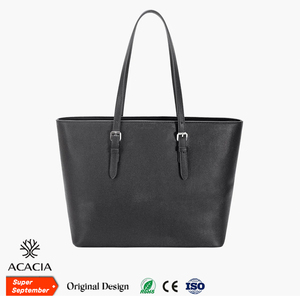
Curated leather and vegan-grade silhouettes calibrated for European ergonomics, daily urban commutes, and premier retail boutique standards.
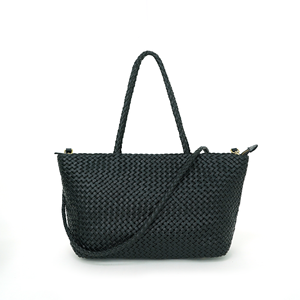
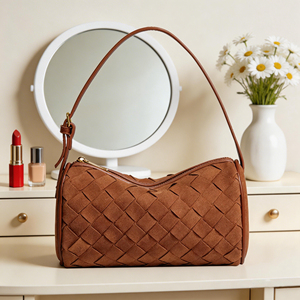
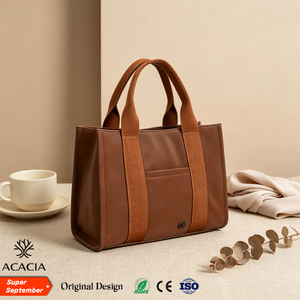
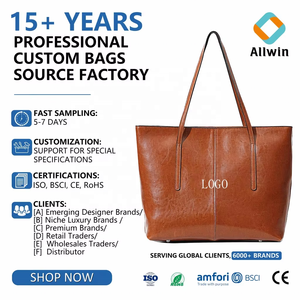
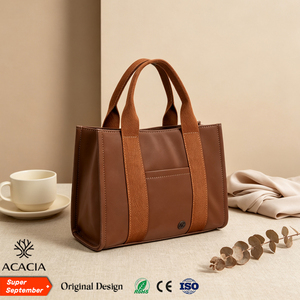
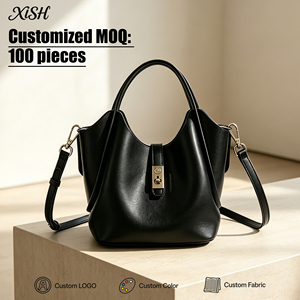

A detailed engineering overview for purchasing directors, department store chain buyers, and boutique private labels across Germany, Austria, and Switzerland (DACH).
The German B2B Purchasing Matrix: Sourcing leather goods for German distribution requires a profound departure from generic wholesale workflows. German commercial buyers (*Einkaufsleiter*) balance rigorous consumer expectations for material longevity (*Langlebigkeit*) with demanding European statutory mandates—most notably the German Supply Chain Due Diligence Act (*Lieferkettensorgfaltspflichtengesetz - LkSG*), the EU Deforestation Regulation (EUDR), and strict chemical verifications under Regulation (EC) No 1907/2006 (REACH). As an established manufacturer and exporter operational since 1995, our factory pairs time-honored artisanal leathercraft with traceable, batch-controlled industrial manufacturing designed specifically for seamless customs clearance and retail sell-through across Germany.
We enforce unambiguous raw material classification. In strict conformity with DIN EN 15987 terminology, full-grain, top-grain, and split layers are contractually validated in writing on proforma documentation, protecting German retailers against misleading advertising claims.
Utilizing high-grade vegetable tanning and advanced wet-white or certified trivalent chrome baths with organic stabilizing agents, all finished leathers undergo testing to ensure undetectable Hexavalent Chromium (Cr VI < 3 mg/kg) under ISO 17075-1:2017.
Our workshop adheres to ethical labor codes, fair wage structures, and verifiable environmental waste mitigation. German commercial partners receive complete transparent audits to seamlessly satisfy internal Corporate Sustainability Reporting Directive (CSRD) requirements.
Handbag design specifications adapted to local lifestyle patterns, commuting habits, and weather conditions across major German metropolitan hubs.
Executive finance and consulting environments demand structured cowhide totes that accommodate laptops, documents, and tech accessories without structural sagging. Features include reinforced load-bearing handles, scratch-resistant pebbled grains (*Saffiano* or pull-up), and dedicated RFID-shielded internal zip organizers.
Creative epicenters gravitate toward understated luxury, slouchy woven totes, tactile pillow bags, and multi-functional underarm silhouettes. German shoppers in this demographic favor raw-edge burnishing, neutral earth palettes (slate, olive, warm camel), and water-repellent eco-PU blends suited for bicycle transit.
Southern wealth centers and northern port cities demand robust, all-weather durability. High-humidity resistance and salted winter precipitation require specialized hydrophobic edge coatings and anti-corrosive multi-layer electroplated brass or gunmetal zippers (tested to 72+ hours of salt spray exposure).
A reference matrix helping procurement executives weigh material grades, stress thresholds, and packaging benchmarks against target German retail price points.
| Evaluation Parameter | Full-Grain Vegetable-Tanned Cowhide | Top-Grain Pebbled / Nappa Leather | Engineered High-Tier PU / Vegan Alternative |
|---|---|---|---|
| Primary Target Market | Heritage retailers, luxury German department stores, premium leather specialty boutiques. | Contemporary ready-to-wear labels, modern corporate collections, direct-to-consumer e-commerce brands. | Trend-responsive fast fashion chains, vegan lifestyle catalogs, accessible urban accessory lines. |
| Tensile Strength & Tear Resistance | ≥ 250 N (ISO 3376), superior tensile structural retention under heavy work loads. | ≥ 180 N, excellent flexural fatigue resistance up to 50,000 cycles without cracking. | ≥ 90 N, reinforced with woven microfiber substrate for balanced lightweight endurance. |
| Surface Finishing & Edge Sealing | Multi-pass hand-creasing, vegetable oil burnishing, matte aniline wax finish. | Triple-coat thermal edge painting, scratch-resistant pigmented micro-coating. | Heat-sealed folded seam bindings, high-elasticity water-based polyurethane edge sealer. |
| Color Fastness (DIN EN ISO 11640) | Dry rub ≥ 4-5, wet rub ≥ 3-4 (natural patina development guaranteed). | Dry rub ≥ 5, wet rub ≥ 4, resistant to perspiration and transfer onto wool/silk garments. | Dry rub ≥ 4, wet rub ≥ 4, non-fading under standard European UV light exposure. |
| Hardware & Zipper Specifications | Solid brass or nickel-free zinc alloy with electrolytic anti-tarnish varnish; YKK/custom pullers. | Die-cast alloy with matte palladium, antique brass, or brushed gold electroplating. | Reinforced lightweight alloy, custom branded debossing, high-smoothness nylon coil or metal zips. |
| German Regulatory Validation | REACH Annex XVII compliant; zero azo dyes, nickel-release compliant under EN 1811. | Full REACH SVHC clearance; formal batch test documentation furnished upon dispatch. | Zero DMFa, zero phthalates, non-toxic heavy metal clearance per European toy/accessory directives. |
Combining three decades of Indian leathercraft heritage with disciplined industrial batch consistency and streamlined transatlantic logistics.
Founded in 1995 with formal GST registration (07AGXPK0652P1ZN) and comprehensive export documentation, we specify leather grain grade, split thickness, and sub-component origin on every Proforma Invoice.
From CAD tech-packs to finished master prototypes within 7 to 10 working days. Custom metal molds for logo debossing, micro-laser hardware marking, custom jacquard interior linings, and FSC-certified retail unboxing.
Every order undergoes hide-by-hide inbound checks before precision die cutting, in-line inspection during skiving and stitching, and comprehensive pre-shipment auditing against approved physical reference samples.
Integrated export logistics via sea freight (FCL/LCL) through Nhava Sheva (JNPT) directly to Hamburg and Bremerhaven, or expedited air freight via Indira Gandhi International (DEL) to Frankfurt (FRA) with Certificate of Origin.
Essential design shifts and material dynamics dominating German consumer choices and purchasing decisions.
German luxury consumers increasingly turn away from conspicuous monograms. The market favors rich textures—such as artisanal woven leather, soft pillow ruching, and blind debossed logos—demanding superior hide quality where flawless edge painting becomes the focal luxury hallmark.
With active urban lifestyles across cities like Munich, Cologne, and Stuttgart, consumers prioritize interchangeable functionality. Handbags equipped with dual detachable straps—a formal leather shoulder drop alongside a casual woven crossbody strap—demonstrate the highest commercial sell-through rates.
German department stores and independent buyers now require certified recycled polyester (RPET) or unbleached GOTS-certified organic cotton for internal lining fabrics. Pairing biodegradable vegetable-tanned outers with recycled interior linings satisfies both corporate eco-audits and eco-conscious shoppers.
Comprehensive, commercial-grade responses covering sample approval, tariffs, test documentation, and production terms.