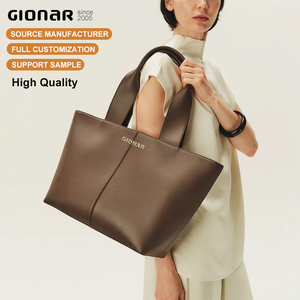
Pre-engineered tech packs, REACH/KC safety compliance, and low-MOQ prototypes matching South Korea's fast-fashion turnover and high durability demands.
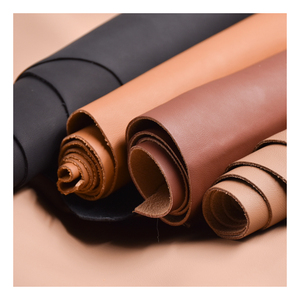
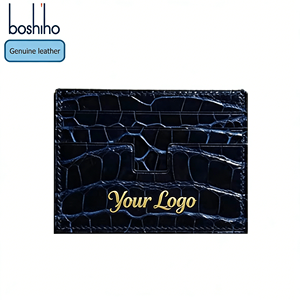
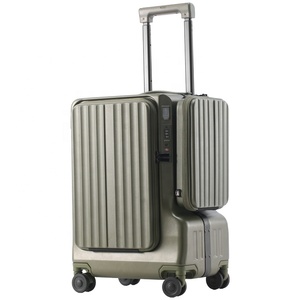
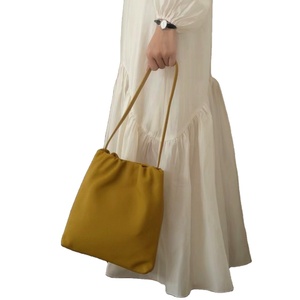
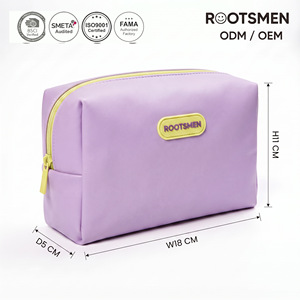
South Korea's accessory landscape demands hyper-specific physical properties to match localized transit lifestyles, business etiquette, and luxury buying habits.
Korea's "Brooklyn" demands minimalist, structural asymmetry. Our fine split-suede and semi-vegetable tanned full-grain leathers integrate into limited capsule collections, supporting subtle debossed branding, precise edge-paint tolerances (<0.2mm variation), and small batch iteration.
Business lifestyle requires formal briefcases, sleek padfolios, and ultra-slim bi-fold wallets engineered to house national identity cards and digital access passes. Fully shielded against 13.56 MHz RFID signals without adding bulk under tailored business suits.
Rapid trend turnaround calls for resilient bonded leather and premium microfiber PU that mimics hand-feel and patination of top-grain hide while meeting price brackets demanded by e-commerce live-stream commerce (Naver Shopping, Coupang, and ZigZag).
The South Korean leather goods and personal accessory sector is evolving rapidly. South Korean consumers demonstrate the world's highest per-capita spending on luxury accessories, paired with an analytical approach to raw material provenance. Procurement managers and private-label label owners operating across Seoul must navigate four shifts:
1. Hyper-Focus on "Clean Grain" Vegetable-Tanned Formulations: Driven by eco-conscious lifestyles centered in urban Seoul, buyers are turning away from heavy chemical chrome tanning. The preference favors vegetable-tanned hides seasoned with natural tannins (mimosa, quebracho, chestnut), yielding an authentic patina over time. Tech packs originating from Seoul designers consistently demand documented chemical testing proving free-state hexavalent chromium (Cr VI) limits below 3 mg/kg.
2. The Surge of High-Caliber Microfiber vs. Traditional Split: While genuine calfskin maintains its status across department store concessions (Shinsegae, Lotte, Hyundai), the rapid rise of vegan fashion labels in Seongsu has transformed alternative substrates. Standard PVC is obsolete; the current benchmark is micro-porous polyurethane (microfiber PU) exhibiting tensile strengths exceeding 350 N and abrasion cycles reaching 50,000+ rubs on the Martindale scale, alongside strict zero-DMF (dimethylformamide) compliance.
3. Korean KC Mark (Consumer Product Safety) Demands: Supplying goods into Incheon customs without compliant lab documentation results in immediate transit detention. Seoul-destinated accessories require strict compliance with the Electrical Appliances and Consumer Products Safety Control Act (KC certification for leather goods), mandating stringent parameters for formaldehyde content, azo dyes, and nickel release on hardware surfaces.
A vendor capability audit comparing domestic Korean workshops against off-shore contract manufacturing centers.
| Factory Tier / Sourcing Origin | Structural Specialties | Average Turnaround | Typical Volume MOQ | KC Safety Readiness |
|---|---|---|---|---|
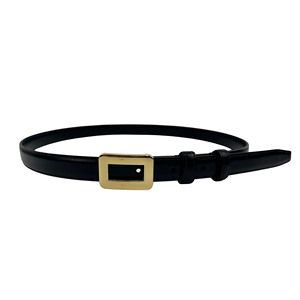
| Tier-1 Direct Export Hubs (Delhi/Naz) | Full-Grain Wallets, Travel Bags, Heavy Brass Belts | 20–35 Work Days | 50–100 Pcs / Style | Full Lab Testing Documentation |
| Domestic Seongsu Artisans (Seoul) | Bespoke Handbags, Pilot Samples, Studio Atelier | 7–14 Work Days | 10–20 Pcs | Self-Regulated / High Cost per Unit |
| Guangdong Coastal Contract Suppliers | High-Volume Hardware, Molded PC Luggage, PU Goods | 30–45 Work Days | 500–1000 Pcs | Dependent on Sourcing Agent |
| Southeast Asia Assembly Plants (Vietnam) | Mass Market Nylon/Leather Hybrid Backpacks | 45–60 Work Days | 1000+ Pcs | Standard Global Compliant |
| Tuscany Export Consortia (Italy) | Ultra-High-End Saddle Stitching, Vachetta Leather | 60–90 Work Days | 300 Pcs | EU Certified (Requires KC Transposition) |
Operating since 1995 with dedicated facilities across Delhi’s industrial districts (Sadar Bazar & Motiya Khan), Naz Leather Export delivers industrial capability with fine-leather precision.
Every proforma invoice states raw material specifications in writing: full-grain aniline cowhide, buff-calf, top-grain pebble, or microfiber PU. Tanneries run audited eco-treatments, eliminating material variations between sample approval and bulk container offloading.
High relative humidity during Seoul monsoons followed by dry, sub-zero winters crack lower-quality edge paints. We apply proprietary triple-coat polyurethane base primers with Italian edge enamels, paired with bonded nylon v69 threading to preserve flexibility under extreme temperature shifts.
From FTA certificate of origin preparation (ensuring preferential tariff entry) to packing manifests designed for air transit to Incheon (ICN) or ocean freight through Busan Port, our internal shipping desk manages customs clearing docs without third-party friction.
Operational, contractual, and technical clarifications for cross-border sourcing managers.
Physical sampling typically concludes in 7–10 days from tech pack approval. Bulk factory runs take 20–35 production days. Transit to Incheon via air courier takes 3–5 days; sea freight to Busan Port runs 14–18 days, keeping seasonal capsule collections on schedule.
We test our leather hides, synthetic substrates, and electroplated hardware against the safety norms of the Korean Agency for Technology and Standards (KATS). Chemical analysis sheets confirming zero harmful azo dyes and compliant lead/nickel limits are available before batch boxing.
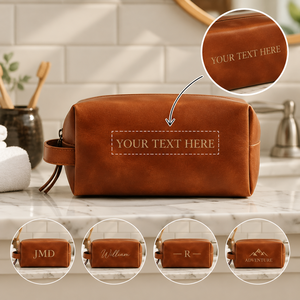
Yes. We supply blind, gold/silver foil, or laser-engraved Korean typography directly onto leather surfaces. We also manufacture custom Korean hang tags (displaying legal consumer disclosures), branded micro-velvet dustbags, and rigid magnetic gift packaging in-house.
Standard leather accessories from our library (wallets, belts, small bags) start at 50–100 pieces per colorway. Custom zinc-alloy casting for private-label buckles or signature pulls typically requires 300–500 pieces to amortize CNC tooling costs.
Send your CAD files, sketches, or physical reference samples. Our engineering team returns fully budgeted costings and material specs within 24 operational hours.