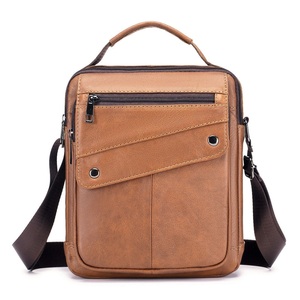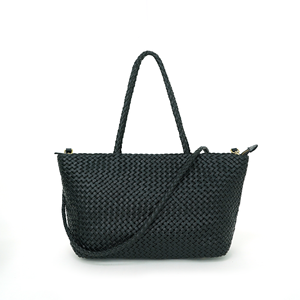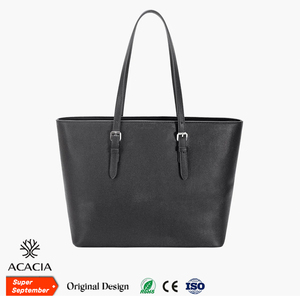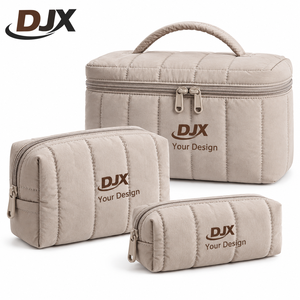
Engineered for international contract importers, retail chain buyers, and custom corporate labels across Central Asia, the EU, and North America.
A strategic comparative assessment for brand principals seeking the ideal balance between low-cost mass tooling, duty exemptions, and accelerated lead times across Eurasian commercial hubs.
Navigating the global small leather goods (SLG) manufacturing network demands an architectural understanding of supply chains. Enterprise brands balance high-volume precision engineering from leading China custom leather wallet factories against regional post-assembly, customs mitigation, and fast logistics afforded by developing an integrated factory footprint in Kazakhstan. By coupling high-output CNC cutting, skiving, and edge-glazing from South China's specialized leather belts with nearshore light assembly and cross-border customs fulfillment centers in Almaty, Kostanay, and Astana, procurement directors secure an unassailable margin advantage.
Direct supply agreements with audited tanneries for Vegetable-Tanned Cowhide, Full-Grain Napa, Pebble-Embossed Calfskin, and Pull-Up Leather with verified zero-cracking chemical finishes under REACH directives.
Incorporation of electromagnetic shielding textiles (copper/nickel mesh) within internal card linings, certified to attenuate 13.56 MHz contactless card frequencies across ISO/IEC 14443 standards.
Leveraging direct rail corridors through Khorgos Gateway (China-Kazakhstan Dry Port), cutting transit to Central Asia to 5–7 days, and Europe to 14 days, bypassing volatile maritime choke points.
| Operational Vector | China Custom Wallet Manufacturing Hub | Kazakhstan Domestic Finishing Facility | Strategic Synergy Model (Hybrid) |
|---|---|---|---|
| Primary Strength | Full-cycle tooling, extreme hardware customization, vast leather inventory | EAEU Duty-Free access, localized branding, fast road logistics | Pre-cut panels exported to Kazakhstan for final assembly & EAEU shipping |
| Standard Minimum Order (MOQ) | 100 - 300 pcs per silhouette / custom colorway | 50 - 100 pcs for localized stock finishing | 100 pcs bulk tooling with staggered release |
| Lead Time (Sample Approval to FOB) | 18 - 28 Business Days | 7 - 14 Business Days (from localized hide inventory) | 15 Business Days integrated schedule |
| Sub-Zero Chemical Stabilization | Polyurethane edge lacquers rated to -35°C via specialized plasticizers | Traditional oil-wax tallow treatments and heavy edge-stitching | Dual-layer cold-tested edge glaze formulated in China, burnished locally |
How localized climatic extremes, fintech behaviors, and cultural aesthetic traditions shape wallet and leather accessory architecture.
Supplying leather products to Kazakhstan, Uzbekistan, and the wider Eurasian Economic Union (EAEU) requires engineering parameters distinct from European or Southeast Asian consumer demographics. In Almaty and Astana, temperatures fluctuate between +38°C in summer and below -35°C in winter. Low-grade bonded leathers and standard water-based edge paints fail rapidly in these continental extremes, blistering or snapping along stress folds.
Furthermore, Kazakhstan represents one of the fastest-growing digital payment ecosystems worldwide, driven by comprehensive contactless adoption (Kaspi QR, Apple Pay, multi-bank chips). However, consumers maintain an uncompromising demand for tactile status markers: authentic full-grain calfskins, luxury brass zipper tracks, and deep pocket compartments engineered to fit international travel documents alongside local identity cards.
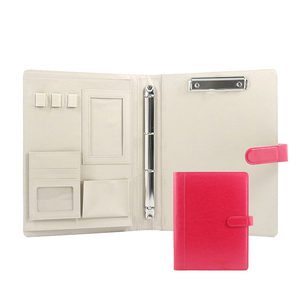
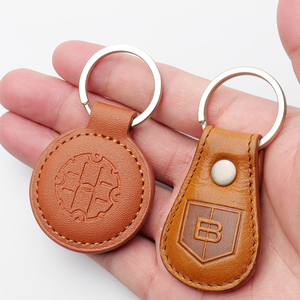
Extensive demand across the oil, gas, mining, and banking sectors in Atyrau and Astana for bespoke A4 leather folios, laser-etched journal portfolios, and luxury coin pouches emblazoned with national crests or institutional identities.
Passport cases and continental multi-currency travel wallets built to hold both national identity cards, international passports, foreign cash bills (KZT, USD, EUR, CNY), and SIM cards for regional transit between China, Russia, and Central Asia.
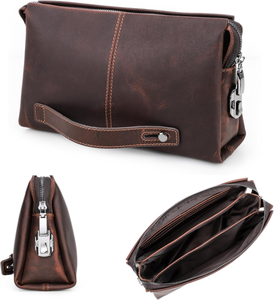
Crossbody sling packs and wristlet clutch bags utilizing anti-shrink, oil-waxed pull-up hides capable of surviving salt grime, freeze-thaw cycles, and heavy day-to-day abrasions across mass transit corridors.
Three core evolutionary axes impacting global sourcing managers and localized retailers.
As micro-transactions transition completely to digital platforms, consumers are shedding classic bulky bi-folds. The modern top-selling SKU is a structured ultra-slim 6-slot cardholder featuring an accordion magnetic cash compartment and an external thumb-slide slot for rapid transit access.
International luxury labels and boutique Eurasian brands increasingly require Leather Working Group (LWG) certified gold/silver rated tanneries. Chrome-free vegetable tanning processes eliminate heavy metal residues, aligning with consumer demand for sustainable, non-allergenic daily-carry items.
The geopolitical reorientation of Eurasian transit has reinforced the China-Europe Trans-Caspian Corridor (Middle Corridor). Wholesalers stocking leather inventories in Almaty or Tashkent benefit from fast overland replenishment directly from Chinese manufacturing clusters in under 10 days, avoiding months-long ocean holding cycles.
Essential guidance covering Minimum Order Quantities (MOQs), sub-zero edge finish durability, export documentation, and customs compliance for international importers.
Consult directly with our engineering team for sample development, leather hide swatch cards, and precise container costing tailored to Eurasian and international markets.