
Nigeria represents the fastest-growing leather conversion market in Sub-Saharan Africa. While northern tanning centers such as Kano and Sokoto produce substantial quantities of raw wet-blue and vegetable-tanned goat and sheep skins for European export, domestic industrial fabricators face acute deficits in consistent, heavy-gauge full grain cattle hides, waterproof corrected grain leathers, and high-performance technical microfibers. Chinese industrial tanneries and advanced synthetic polymer manufacturers have stepped in as core strategic supply chain partners. By delivering certified yield consistency, controlled temper, tensile strength resilience, and integrated logistics navigating Form M, SONCAP accreditation, and Apapa Port clearance, direct China-to-Nigeria leather corridors now underpin the competitive expansion of commercial shoemaking clusters in Aba, automotive restyling in Lagos, and high-end hospitality fit-outs nationwide.
Laboratory-tested materials formulated to withstand West African tropical humidity, intense UV exposure, and abrasive real-world operating environments.
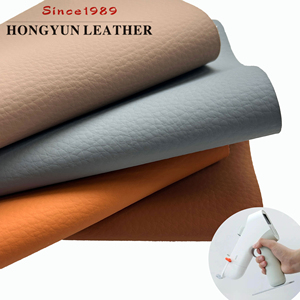
Zero-solvent organic silicone polymer surface resistant to chlorine disinfection and fungal growth. Engineered for hospital recliners and tropical clinics.
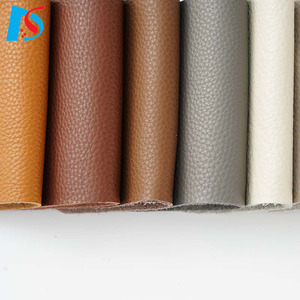
Heavyweight full-grain cowhide with intact epidermal grain. Delivers authentic vintage aging and breathability for presidential suites and executive desks.
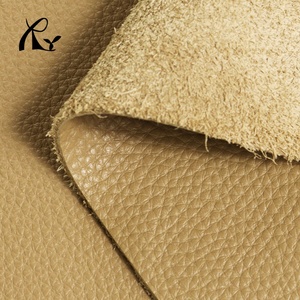
Uniform milled pebbled grain masking natural hide scars while offering maximum pattern yield. Low-emission eco-tanning suitable for high-traffic lounges.
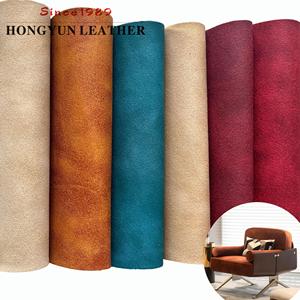
3D non-woven polyamide matrix reproducing pull-up oil wax effects. Superior hydrolysis resistance eliminating peeling problems in coastal Lagos humidity.
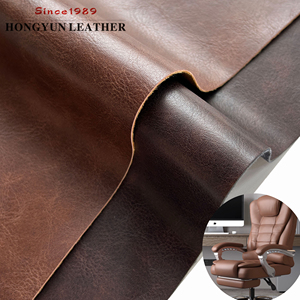
Durable waterproof polyurethane formulation tailor-made for volume manufacturing of school shoes, commercial boots, and structured travel carryalls.
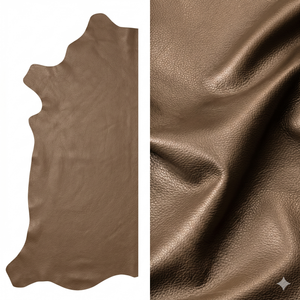
Traditional oil-wax infused bovine skins that rub out superficial marks while accumulating character. Favored by artisan bagmakers and luxury saddlery crafters.
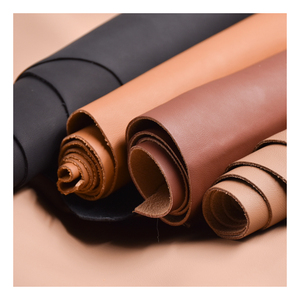
Precision-engineered leather composite offering high flex-endurance and dimensional stability for automated clicker cutting machines in Aba shoe factories.
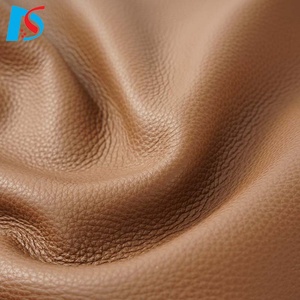
Drum-dyed, aniline finished bovine hides highlighting organic follicle pores. Excellent dye strike-through allowing custom edge burnishing and wet-molding.
The requirements of Nigerian leather buyers vary substantially depending on regional commercial specializations. Sourcing raw materials from general wholesale merchants frequently leads to batch inconsistency, excessive waste margins, and structural failures caused by tropical humidity. Direct procurement from vetted Chinese production plants allows Nigerian industrial buyers to match specific hide chemistries and backing textiles with precise regional use cases.
Recognized as the epicenter of domestic footwear fabrication, Aba’s Ariaria cluster houses over 50,000 artisans and semi-mechanized factories producing school shoes, men’s dress oxfords, and formal sandals. Artisans require uniform 1.2-1.4mm chrome-free and vegetable re-tanned cowhide that accepts sharp skiving without tearing, alongside roll-fed microfiber synthetic leathers for linings that endure heavy foot perspiration in sub-Saharan heat.
Top architectural developers and corporate furnishers in Victoria Island, Ikoyi, and Abuja require contract-grade full-grain upholstery cowhides with flame-retardant (BS 5852 / CAL 117) and hydrolysis-resistant qualities. Ordinary PU leather peels rapidly in coastal Lagos within 12-18 months due to ambient salt air and 85%+ relative humidity. Medical-grade silicone and full-grain pull-up cowhide provide the durability demanded by corporate headquarters and five-star resorts.
Nigeria’s extensive inter-state passenger logistics and premium commercial transport fleets in Kano, Onitsha, and Benin City require heavy-duty automotive seat upholstery. Custom coachbuilders depend on 1.3mm vintage crazy horse microfiber and pebble-grain corrected bovine hides that resist sustained solar UV degradation, dry tensile cracking, and intensive mechanical friction over cross-country transit corridors.
For enterprise purchasing directors in Nigeria, understanding laboratory metrics before opening Letters of Credit or executing Form M transfers prevents costly cargo rejections at Apapa Port inspection terminals.
| Material Classification | Tensile Strength (ISO 3376) | Tear Resistance (ISO 3377-2) | Hydrolysis Test (Jungle Test) | Ideal Application in Nigeria | Usable Surface Cutting Yield |
|---|---|---|---|---|---|
| Full Grain Cattle Hide | ≥ 18.0 N/mm² | ≥ 45 N | Natural (Indefinite Lifespan) | Luxury Briefcases, Bespoke Shoes, Diplomatic Sofas | 75% - 85% (Natural Follicles & Contours) |
| Top Grain Pebble Cowhide | ≥ 15.0 N/mm² | ≥ 35 N | Natural (Tannery Sealed) | Executive Desk Chairs, Commercial Hospitality Seating | 85% - 90% (Uniform Grain Profile) |
| Polyamide Microfiber (Crazy Horse) | ≥ 25.0 N/mm² | ≥ 80 N | Grade 5 (> 10 Years Peeling-Free) | Automotive Fleet Seats, Tactical Boots, Heavy Duffels | ≥ 98% (Continuous Roll Geometry) |
| Medical Grade Silicon PU | ≥ 12.0 N/mm² | ≥ 30 N | Grade 5+ (Immune to Heat/Moisture) | Hospital Beds, VIP Dining, Marine Upholstery | ≥ 98% (Roll Width 137 cm) |
Sourcing leather into the Federal Republic of Nigeria is influenced by shifting trade policies, foreign exchange mechanisms, and evolving consumer preferences. Key developments shaping procurement strategies for Nigerian importers include:
Historically, open markets like Balogun in Lagos and Ariaria in Aba imported vast volumes of budget PVC leathercloth. However, rapid plasticizer migration caused by tropical Nigerian temperatures (consistently 30°C–38°C) resulted in surface tackiness, brittle cracking, and unpleasant chemical odors within months. Discerning institutional buyers and mid-tier retail consumers now demand hydrolysis-resistant microfiber leather that delivers identical tactile warmth to cowhide while offering predictable thickness across mass production lines.
The Nigerian Federal Ministry of Industry, Trade and Investment, through the National Leather and Leather Products Policy (NLLPP), continues to incentivize domestic assembly over finished product imports. Importers bringing in raw hides, crust leather, and roll-form synthetic textiles benefit from favorable tariff brackets compared to finished imported shoes or ready-made luxury bags. Forward-thinking Nigerian entrepreneurs import semi-finished full-grain sides from China, perform specialized cutting, hand-edge burnishing, and assembly locally, and retail under Nigerian luxury brand labels across the ECOWAS sub-region.
Currency devaluations have forced commercial fabricators to eliminate intermediate middlemen and trading hubs in Dubai and Europe. Nigerian factory owners now establish direct supply agreements with Chinese manufacturing facilities, leveraging direct Yuan-Naira bilateral trade settlements, specialized sea consolidations (LCL/FCL), and structured container shipments to control raw material costs per square foot.
With an industrial manufacturing heritage established since 1995 and an export footprint spanning over 50 countries, our enterprise bridges the logistical and technical gap between Chinese manufacturing excellence and Nigerian factory floors.
We eliminate the risk of counterfeit grading. Every proforma invoice clearly stipulates whether the hide is 100% full-grain cattle skin, top-grain, split genuine leather, or polyamide microfiber, accompanied by measured hide thickness, usable yield criteria, and chemical safety documentation.
Exporting to Nigeria requires rigorous regulatory navigation. Our international logistics desk routinely generates clean Commercial Invoices, detailed Packing Lists, Certificates of Origin, and coordinates with accredited international inspection agencies (such as CCIC, SGS, or Intertek) to expedite SONCAP Conformity Assessment Program (SC) clearances.
Every production batch undergoes three distinct inspection milestones: raw hide substrate evaluation before tanning/coating, in-line tensile and colorfastness testing during milling, and pre-shipment grain verification against the buyer’s counter-sample to ensure zero thickness variations.
Direct, transparent answers covering minimum orders, ocean shipping logistics, import permits, and customs formalities for West African trade.
For genuine cattle hides, our production MOQ starts at 500 square feet per custom color, or 50 pieces for stock catalog articles. For roll-form microfiber and synthetic leather, the MOQ is typically 300 to 500 meters per color/grain profile. We also accommodate consolidated mixed containers (combining cowhides, microfiber, and shoe-making accessories) for enterprise accounts.
Yes. We regularly assist Nigerian importers with the Standards Organisation of Nigeria Conformity Assessment Programme (SONCAP). We provide laboratory test reports covering heavy metals, azo dyes, flame retardancy, and tensile limits to support your Product Certificate (PC) application, followed by inspection support for your final SONCAP Certificate (SC).
Ocean container freight loaded at major Chinese ports (Guangzhou, Shenzhen, Ningbo, or Shanghai) typically takes 25 to 35 days transit to arrive at Apapa Port or Tin Can Island Port in Lagos. For expedited development needs, sample swatches and prototype hide rolls can be air-freighted via DHL, FedEx, or cargo airliners to Murtala Muhammed International Airport (LOS) in 4 to 7 working days.
Marine transit through tropical equatorial waters exposes cargo to severe condensation ("container rain"). Our genuine leather hides undergo anti-fungal drum treatments during tannery finishing, are moisture-checked (≤ 13% humidity equilibrium), wrapped in breathable waterproof membranes, and packed alongside high-absorption calcium chloride desiccants within sealed export cartons.
Standard payment terms for international bulk orders are 30% to 50% deposit via Telegraphic Transfer (TT/SWIFT), with the balance payable upon presentation of clean Bills of Lading and pre-shipment inspection sign-off. We also accommodate Irrevocable Letters of Credit (L/C at sight) opened through tier-one international banks for qualified volume buyers.
Absolutely. We possess thousands of custom grain rollers, including pebble grain, crocodile, ostrich, saffiano, crazy horse, and milled pull-up patterns. Furthermore, we develop bespoke finishes matching your exact Pantone color swatches, temper softness (from 2.0 to 4.5 mm softness scale), and custom private-label foil stampings.
Whether you are expanding a mechanized footwear factory in Aba, upholstering luxury commercial projects in Lagos, or distributing wholesale rolls across West Africa, partner with a verified Chinese tannery engineered for export consistency. Receive immediate tech packs, physical sample swatches, and transparent CIF Apapa / FOB China quotations.